


The World Cube Association is finally flirting with Head-to-Head (H2H) formats, and I’m absolutely stoked for it. Seeing two cubers fire off on the same scramble is a massive step up from the “blind” average of five where you’re basically just racing a database.
But if we want to turn speedcubing into a true elite broadcast sport, we have to talk about the PSL Waiting Chair.
The “Same Dartboard” Problem
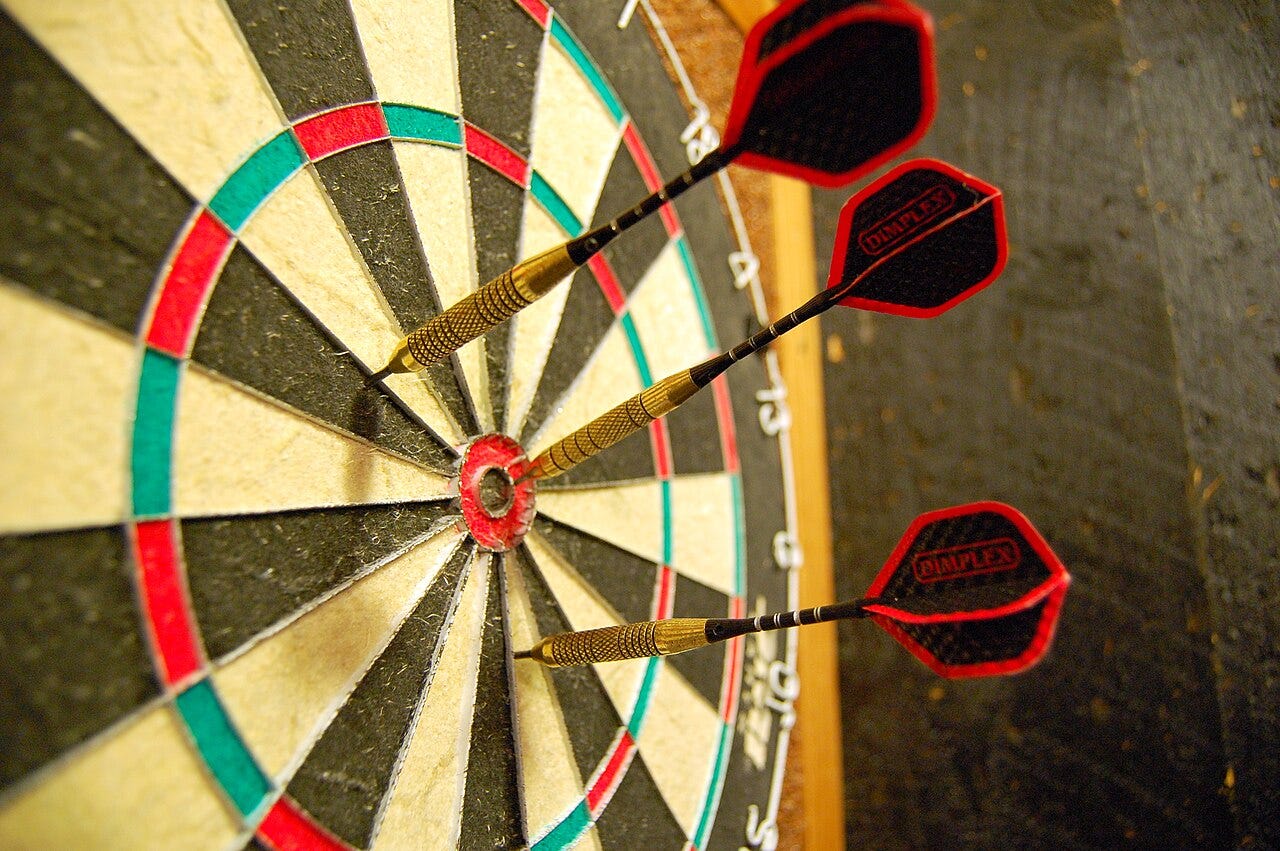
Look at the Professional Darts Corporation (PDC). Technically, you could have two players on two different boards in two different rooms and just compare their scores at the end. It would be “fair.” It would be “clean.”
It would also be incredibly boring.
Darts works because of the physical interaction. One player throws, then they have to walk past their opponent to get back to the table. In that three second walk, they aren’t just competing against the board; they are competing against a human being who just put a 180 in front of them. You see the “clutch” happen in real-time.
Cubing’s Parallel Universe Problem
In a standard WCA final, or even the current H2H iterations where both solvers go at once, a cuber can successfully hide from their opponent and the pressure. You put the noise canceling headphones on, you stare at the timer, and you stay in your own zone. You are competing against the scramble, not the person.
The Premier Speedcubing League format—where one solver goes, hits the timer, walks to the waiting chair, and the next solver immediately steps up—destroys that safety net.
When you have to stand up because your opponent just dropped a sub-5, you aren’t just solving a cube. You are absorbing their pressure. You are forced to acknowledge that if they messed up, the door is open for you—and if they popped off, you have to lock in.
Golf, Scrambles, and the Human Variable
When golf started, it was about the course. But eventually, the course stays the same while the players get better. The “beat the course” narrative only goes so far. The real drama is: Can you beat the guy standing next to you on the 18th green when he just drained a 30-footer?
Cubing has reached that point. The scrambles are the “course,” and our top elites are starting to “solve the course” with consistency. The only variable left that actually creates a story is human pressure.
The Culture Shift
We need to get away from the idea that cubing should be a sterile, protected environment. Elite sports aren’t built on database solves, they are built on body language. We care when Dylan is singing “Goodbye Horses” or if he’s somber in the corner. We have to test the ability to look another human in the eye, watch them crush a solve, and then step up and do it better.
Big time solvers, make big time solves, in big time situations—we need more of that.