


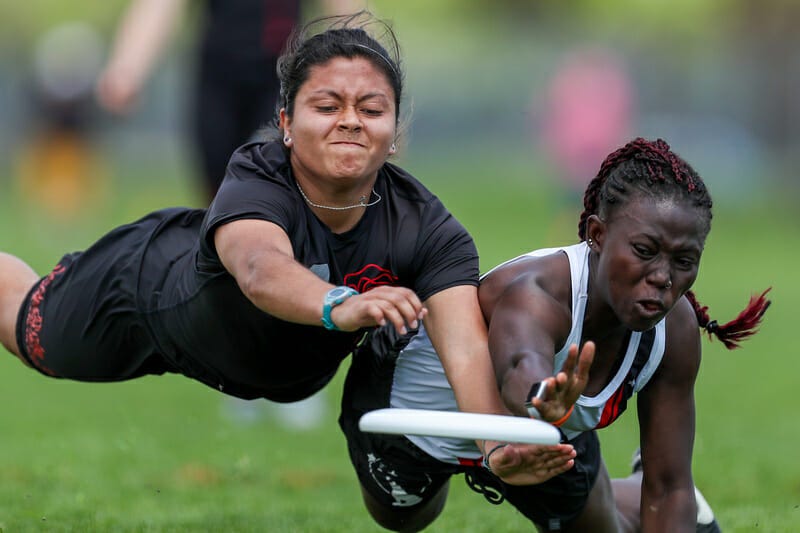
I was recently listening to Evan Lepler, the “voice of Ultimate Frisbee.” He’s a guy who has carved out a niche as the go-to announcer for ESPN’s coverage of emerging sports, everything from top-level Ultimate to cornhole and axe throwing.
Lepler made an observation that stuck with me: every niche community thinks they are the most welcoming, friendly group on earth. But the reality is that “friendliness” isn’t a unique trait of the sport; it’s just a byproduct of being small. The danger is that these small communities eventually develop “unspoken rules” and weird values that they refuse to break, even when those rules start to hinder the sport’s growth.
The Honor Code vs. The Referee
In Ultimate Frisbee, the “purity” of the game is centered on the honor system. It’s self-refereed. But as the sport tried to move onto platforms like ESPN and grow its audience, a new league, the UFA, was formed with actual referees to make it spectator-friendly.
The backlash from the “purists” was intense. They revolted because they felt that having referees ruined the “spirit of the game.” From the outside, it looks crazy. Every major sport in the world uses referees. Yet, the Ultimate community clung to a value that was actively keeping them from reaching a larger stage. They were choosing their “weird quirk” over the growth of the sport.
The Volunteer Problem
It’s easy to look at the Frisbee world and laugh at the “honor system,” but we have our own versions of this in speedcubing.
One of our biggest “quirks” is our obsession with volunteering. We’ve decided as a community that everything, from judging to organizing, must be done for free. We treat it as a core value.
But look at the contrast: USA Ultimate (the equivalent of our WCA) actually advises its organizers not to hold tournaments unless they can make a profit. They don’t want their people losing money or burning out; they want them to be able to build a sustainable life around the sport.
In cubing, we choose the opposite. We insist on being 100% volunteer-based. But why? Why do we hold onto that value so tightly? By refusing to let the sport become a professionalized business where people can actually make a living, are we hindering our own growth?
Are We Really That Special?
We like to think speedcubing is a special, unique niche with values that other people wouldn’t understand. But Lepler’s point suggests we’re just like the axe throwers or the frisbee players. We aren’t uniquely “virtuous” because we don’t pay our organizers; we’re just stuck in a niche trap.
We have to ask ourselves: are these values helping us, or are they just hurdles we’ve placed in our own way? If we stepped back and looked at our community objectively, we might realize that these “quirky” rules are the only things stopping us from reaching more people and impacting more lives.
If we want to be bigger, we might have to stop being so “special.”